


Blog
Writing about the back office
Long-form pieces on the parts of an online shop nobody sees - item data, carrier choice, packing accuracy, returns. Every figure is cited and dated, and anything we could not trace to a primary source was left out.
 Software and tools
Shipping software for online stores in Poland: broker rates or your own contract
A Polish store can print its labels on a broker's rates or on its own carrier contract, and several tools do both. Six tools compared on whose rates they use, the carriers they name, the locker picker on Shopify and WooCommerce, cash on delivery, returns and published prices, all checked on 5 November 2026.
Read the article18 min read Software and tools
Shipping software for UK online stores, compared
Nine shipping tools a UK Shopify or WooCommerce store might use, from Royal Mail's free Click & Drop to subscription software, compared on whose rates you ship on, which UK carriers they connect, what they cost at 1,000 parcels a month, and what they fill in for EU customs.
Read the article17 min read Software and tools
The best WooCommerce shipping plugins for European stores
WooCommerce prints no carrier labels for a European store, so every shop assembles its own stack: a carrier plugin or two, a locker picker that works in the block checkout, something to print labels. Fourteen plugins judged on where you ship from, whose contract the label is on, lockers, cash on delivery and what the software costs at 1,000 parcels a month.
Read the article27 min read Software and tools
Shipping software for Nordic online stores, compared
Ten shipping tools that Nordic Shopify and WooCommerce stores actually use, from nShift and Shipmondo to Shipit, Fraktjakt, Logistra and the free plugins from Posti and Posten Bring. Prices in each vendor's own currency, whose carrier contract the label goes on, and which carriers each one books.
Read the article17 min read Fulfilment operations
How to pack orders faster without packing them wrong
Most of the time it takes to pack an order is not packing. It is walking, looking for things, clicking through a carrier portal and waiting for a label. Where the minutes go, what a normal order takes in our own packing data, and the changes that take the minutes out without adding mistakes.
Read the article15 min read Shipping and delivery
What a month of shipping labels says about running more than one carrier
Not a survey: what a few dozen online shops actually did in October 2026. Nine in ten had two or more carriers switched on, every shop above 300 orders a month did, no carrier carried a third of the parcels, and one order in five left the country.
Read the article11 min read Shipping and delivery
Why your shipping should run on your own carrier contracts
Borrowed rates get a shop shipping on day one. Your own contract is what you build on: a price the carrier quotes against your volume, claims you file yourself, an invoice in your name, rates that survive a change of software and, where the big label resellers do not operate, the main way to the local networks at all.
Read the article10 min read Software and tools
The best shipping apps for Shopify stores in Europe
Most “best shipping app” lists are written for US stores. This one is judged on what decides a European setup: where you ship from, which carriers your customers pick, lockers before payment, cash on delivery, whose contract the label is printed on, and what the software really costs at 1,000 parcels a month.
Read the article14 min read Software and tools
Pick and pack apps for Shopify, compared
A pick and pack app is supposed to stop the wrong item leaving the building. Most only do that, and leave the label, the printer and the return to other products. Seven tools compared on what each covers, what it costs, what its free tier counts and what you still have to buy around it.
Read the article14 min read Software and tools
Sendcloud alternatives, and when not to switch
Sendcloud does not ship from every European country, and it charges a fee on every label, even on your own carrier contract. When that matters, when staying is the better call, and nine alternatives grouped by what your store already has: no contract, contracts of its own, or a whole fulfilment operation.
Read the article21 min read Software and tools
BaseLinker alternatives for Shopify and WooCommerce stores
BaseLinker, now called Base, is an order hub built around marketplaces. For a store that sells mostly through its own Shopify or WooCommerce shop, much of that breadth goes unused. When to stay, and six alternatives sorted by whether marketplaces are part of your business, with published prices and the carriers each one names.
Read the article19 min read Shipping and delivery
Aggregator rates or your own carrier contract: what you actually pay
An aggregator sells you labels on its carrier account from day one. Your own contract takes a form, a call and a signature. Which is cheaper depends on the lane, the surcharges and the rate you can actually negotiate, and on published prices the aggregator sometimes wins. The fees, a worked example at three volumes, and what changes besides the price.
Read the article14 min read Shipping and delivery
How to open a business account with DPD, Omniva, InPost and other carriers
The hardest part of shipping on your own contract is getting the contract. What Baltic, Polish and express carriers ask for, the volumes and reply times they actually publish, what to settle before you sign, and how API credentials and test labels work afterwards.
Read the article17 min read Shipping and delivery
How to add parcel lockers to your Shopify checkout
In the Baltics and Poland most online shoppers collect from a locker, and Shopify's built-in pickup points cover neither. What each Shopify plan allows, the three ways stores add a locker picker, and what breaks when the locker ID never reaches the label.
Read the article13 min read Shipping and delivery
Cash on delivery in Europe: how to set it up and when it pays
Cash on delivery looks like a relic until you sell into Lithuania, Poland or Greece. What carriers charge for it, how long the money takes to arrive, what a refused parcel costs, and how to set it up on Shopify and WooCommerce.
Read the article15 min read Fulfilment operations
The Black Friday fulfillment checklist for small online stores
Black Friday falls on 27 November this year, and last year Europe's parcel networks peaked on the Monday and Tuesday after it. A week-by-week checklist for a store packing its own orders: stock and barcodes, carriers and peak surcharges, the packing station and temporary packers, the week itself, and the returns that follow.
Read the article15 min read Fulfilment operations
How to stop shipping the wrong item
A wrong item is a return EU law makes you pay for in full. How often it happens, why mispicks happen in small warehouses, how barcode scan verification catches them before the label prints, what it cannot catch, and what you need in place first.
Read the article15 min read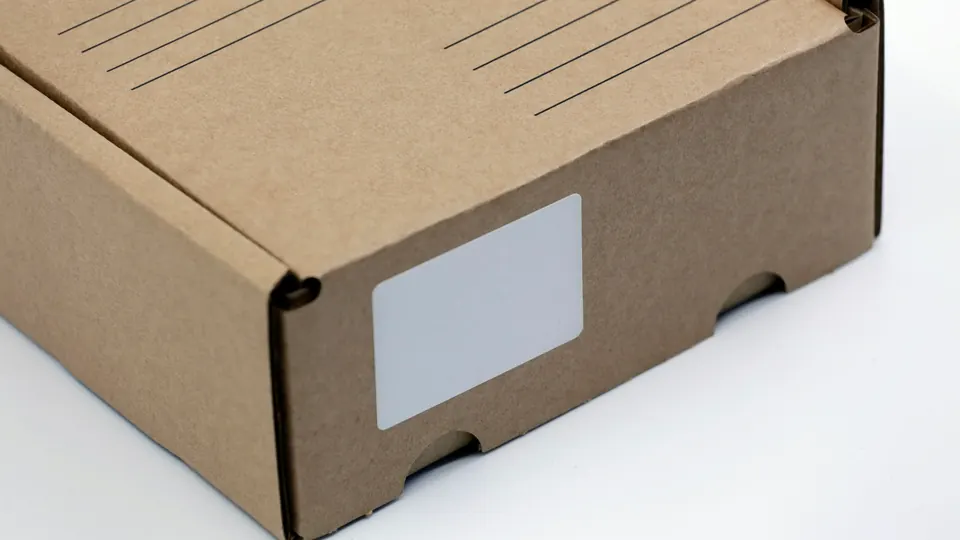 Software and tools
Shipping label printers for online stores: what to buy and why
Thermal or laser, 203 or 300 dpi, ZPL or PDF: the choices behind a shipping label printer, the label formats DPD, InPost, Omniva, Venipak and DHL Express publish, five 4-inch desktop printers from their makers' spec sheets, and what the labels cost to run.
Read the article15 min read Fulfilment operations
Keep packing in-house or move to a 3PL?
At some point every shop that packs its own parcels asks whether someone else should. What 3PLs charge, line by line, on the few price lists they publish; what in-house costs once you count your own time; a worked example that turns a 3PL's handling fee into minutes of labour; and the questions that decide it, including the ones about your stock.
Read the article18 min read Fulfilment operations
I built OrderKrab because I was the developer who sometimes packed
I was a developer at an e-commerce company, and now and then I packed orders too. The shop packed both of the usual ways, every label printed at once or every order opened in its own tab, and I saw what went wrong with each. What a small Chrome extension did differently once it went live, and what it taught me about where a shop's reputation is really decided.
Read the article8 min read Returns
A return does not cost you 30 euros
The return label is the part of a return you can see. The rest is the outbound shipping you already paid, the payment fee the processor keeps, the weeks the item is unsellable, the minutes at the receiving desk and the customer who reads your policy before ordering again. The full bill, with the EU rules that shape it.
Read the article13 min read Inventory and catalogue
Why every product needs a SKU
SKUs are optional right up until they are not: a fulfilment service, a Google feed, a marketplace listing or a 3PL onboarding will each ask for one. What they buy you, and how to design codes that survive.
Read the article11 min read Shipping and delivery
Why one shipping carrier is never enough
The average EU country has 19 domestic parcel operators and the average online shop displays nine. A single-carrier checkout is the outlier - here is what it costs in coverage, price, uptime and repeat custom.
Read the article12 min read